
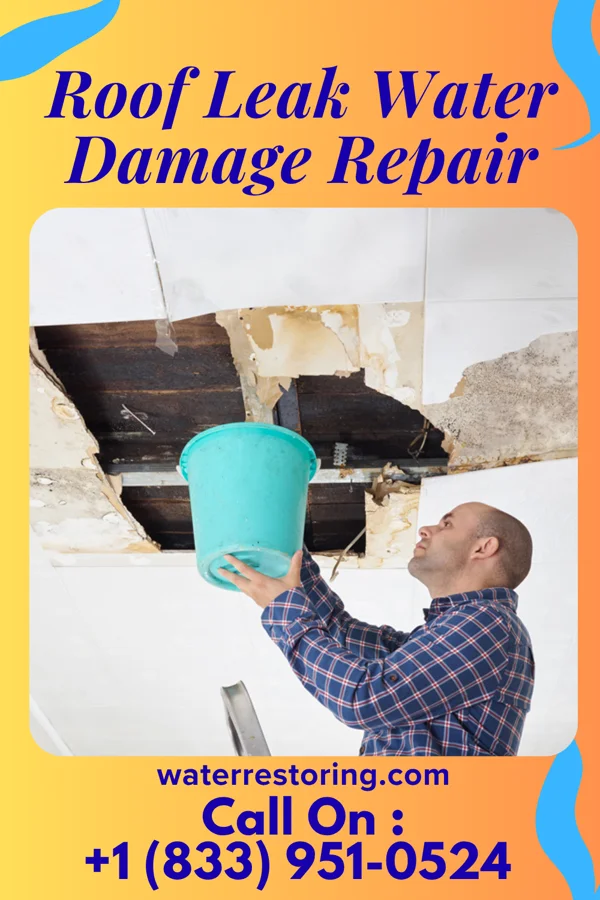
Bicknell Storm Roof Leak Drivers
Water damage in Bicknell tends to cluster in predictable windows because of the local climate. Bicknell, Indiana experiences frequent spring and summer thunderstorms that can lead to sudden heavy rainfall, increasing the risk of roof leaks and water damage. The region's unpredictable weather patterns, including sudden temperature drops and high humidity, can also contribute to condensation and moisture buildup in homes. A close second is During the late fall and early winter, Bicknell is prone to freezing rain and snow accumulation, which can cause ice dams on roofs and lead to water infiltration. These conditions often result in prolonged exposure to moisture, increasing the likelihood of structural damage..
Bicknell's climate, characterized by cold winters and warm summers, creates conditions that can lead to both immediate and long-term water damage. The transition between seasons often brings about temperature fluctuations that can cause roofing materials to expand and contract, leading to cracks and leaks.
Bicknell's climate, characterized by cold winters and warm summers, creates conditions that can lead to both immediate and long-term water damage. The transition between seasons often brings about temperature fluctuations that can cause roofing materials to expand and contract, leading to cracks and leaks. The dominant local driver is Bicknell, Indiana experiences frequent spring and summer thunderstorms that can lead to sudden heavy rainfall, increasing the risk of roof leaks and water damage. The region's unpredictable weather patterns, including sudden temperature drops and high humidity, can also contribute to condensation and moisture buildup in homes., with During the late fall and early winter, Bicknell is prone to freezing rain and snow accumulation, which can cause ice dams on roofs and lead to water infiltration. These conditions often result in prolonged exposure to moisture, increasing the likelihood of structural damage. showing up as the next most common cause. Damage builds in stages. Spread. Absorption. Microbial growth. Structural compromise. Every stage you pass through adds to the final bill.